

Mission
The Cabaret’s mission is to be the premier home for intimate cabaret where artists are uplifted, audiences belong, the next generation thrives, and our community is strengthened through world‑class artistry and radical hospitality.

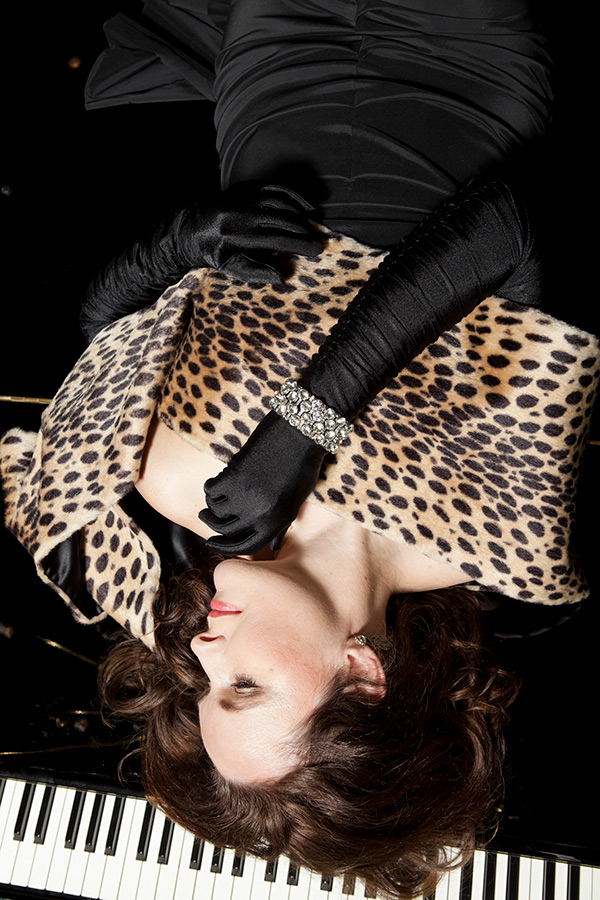
Artistic Director’s Welcome
Thank you for visiting The Cabaret. Whether you’ve been attending performances for years or are preparing to come to your first show, we’re so grateful for the opportunity to host you in our award-winning venue.
From our humble beginnings over 15 years ago, we could never have imagined the success we enjoy today. Hosting the biggest stars of Broadway, cabaret, jazz, and more in our very own glorious venue is a testament to your support and our shared journey. We are proud to bring you world-class artists in a cabaret venue that rivals, if not surpasses, some of the best in the country.
We are so proud that The Cabaret has been noted by national media outlets for creating a mecca for cabaret in the Midwest. We pledge to continue to work diligently to bring the best of the best national and international cabaret artists to our stage and to ensure that the cabaret art form continues to thrive.
You got us here, lovers of cabaret. Cheers to you, and to years of thrilling performances in a glorious setting.
Warmest Regards,

Shannon Forsell
Artistic Director & CEO
What is Cabaret?
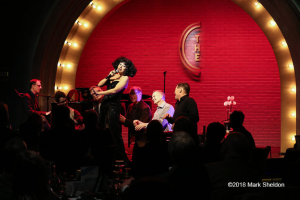 Isaac Mizrahi put it simply when he said, “Cabaret is theatre plus liquor.”
Cabaret is an intimate and immersive art form that shatters the traditional “fourth wall,” fostering a unique interplay of participation and provocation. Defined by its small-scale setting—often evoking the warmth of a private salon—cabaret thrives on direct, personal connection. The performer, typically accompanied by a piano or small ensemble, engages the audience through song, storytelling, and raw emotional honesty, without the artifice of elaborate sets or scripted personas.
The genre is marked by its immediacy and vulnerability, as artists with formidable acting skills pour their lived experiences into their interpretations, making even familiar songs feel newly discovered. At its peak, cabaret is a three-way dialogue between singer, song, and audience, where intimacy, emotional depth, and interpretive nuance create an unforgettable exchange. Whether through humor, pathos, or provocation, cabaret remains a space where artistry and authenticity converge, leaving audiences with a profound emotional resonance.
More than mere entertainment, it is an art of presence—one that lingers long after the last note fades, providing audiences with a sense of genuine connection, as though they have been personally seen and understood—not merely as spectators, but as participants in the experience.
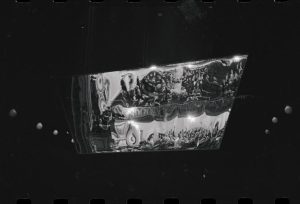 In Hal Prince’s 1966 Broadway production of Cabaret, a large, tilted mirror reflected the audience before and after the performance, forcing them to confront their own complicity in rising societal issues—making them part of the story.
Cabaret is a kaleidoscope of creativity, rebellion, and social critique. By defying conventions and embracing the unconventional, it has left an indelible mark on cultural history. A realm of sequins and smudged eyeliner, it captivates with its fusion of artistry and defiance, inviting us to lift the velvet curtain and step into its intoxicating embrace.
As an art form, cabaret welcomes all, reveling in dualities: high and low brow, glamour and grit, refuge and rebellion, sophistication and irreverence. With razor-sharp wit and a knowing gleam, it has always been in on the joke.
More than entertainment, cabaret is a mirror reflecting society’s desires, fears, and contradictions. As the curtain rises, boundaries blur—the audience is no longer just watching the spectacle; they are the spectacle.
Welcome to the cabaret…
THE HISTORY OF CABARET – Cabaret as a Mirror of the Times
Cabaret’s origins and Early Beginnings: Paris, France
Cabaret inherits its name from the 12th-century French words camberete or cambret meaning “small room” and chamber meaning “wine cellar” or “tavern.”
Cabarets appeared in Paris by the mid-fifteenth century. Tipsy guests might join in spontaneous singsong. An enterprising host, keen to attract more customers, might provide a locale for strolling players, balladeers, jugglers, etc.
The two forms of artistic cabaret were already there as seed: cabaret as a meeting place for artists where performance takes place among peers, and cabaret as an intimate, small-scale, but intellectually ambitious review.
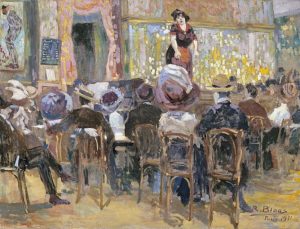
In the 18th and 19th centuries, the café-concert or café-chantant appeared, which offered food along with music, singers, or magicians. In the early 19th century, many cafés-chantants appeared around the city, and by 1900 there were more than 150 cafés-chantants in Paris.
The chanson (French) and lieder (German) became the heart of French cafés and bistros, serving as both entertainment and a vital form of public communication in a world without radio or television. Beyond love lyrics and mood pieces, chanson functioned as a performed alternative to newspapers, bypassing government control. It provided one of the few outlets for people to record daily life and express views on contemporary events, love, politics, and struggles. Lyrics often carried hidden meanings, enabling coded dissent.
Monmarte, France 1881 – Le Chat Noir
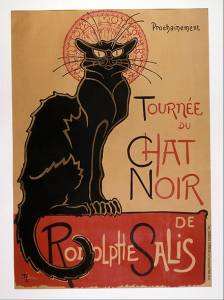
The first modern cabaret, Le Chat Noir (The Black Cat), was founded in 1881 by Rodolphe Salis in Montmartre, Paris—a bohemian hub for artists, writers, and musicians. It became a gathering place for creatives to share ideas and test new material, blending humor, music, and political satire in an intimate, dimly lit space adorned with black cat motifs.
Le Chat Noir attracted a mix of high society and bohemian artists, including Maupassant, Debussy, and Erik Satie, who played piano there. Salis, the self-proclaimed gentleman-cabaretier, opened each show with a monologue mocking politicians and the wealthy and making jokes about the events of the day. The venue quickly outgrew its space and moved to a larger location on rue de Laval.
Cabarets soon spread across Paris and beyond, appearing in Barcelona, Berlin, and Munich. As time went by, many of these rooms featured scheduled entertainment. These intimate venues featured small stages and brought a new intimacy and informal spirit to public performances. Audiences sat at cozy tables consuming food and drink while performers worked right in their midst. Inevitably, audience members became part of the show, interacting with performers and even each other.
In Germany, strict censorship limited kabaretts to tame entertainment in restaurants and nightclubs. However, Munich’s avant-garde artists, rebelling against tradition, created underground cabarets under the guise of private clubs. Simplicissimus Kunstlerkneipe, for example, sought to shock audiences out of conformity.
After World War I, cabaret flourished, particularly in Weimar Germany, where censorship laws were lifted. The genre thrived in the new Republic, embracing its bold, subversive spirit.
The Weimar Republic Era 1919–1933 – Political Turmoil and Social Commentary – Cabaret as Political Satire
The Weimar Republic ushered in a golden age of cabaret, with Berlin emerging as Germany’s first cosmopolitan hub. What New York in the 1920s was to jazz and speakeasies, Berlin was to cabaret.
But as the Empire died out and the republic surged, kabarett changed the same way German urban society changed. As the republic lifted the old form of censorship, shows became bolder and more salacious. Dancers became more and more scantily dressed and their dances and songs ever more suggestive. Cross-dressing wasn’t uncommon. Harsh political satire was so popular that some kabarett specialized in it. The life that kabarett depicted was outrageously modern, extremely subversive and — in the eyes of some — utterly decadent.
The city became a cultural melting pot, welcoming expressionist artists, cross-dressing performers, queer artists, sex workers, and nudist dancers. La Goulue’s provocative can-can at Le Moulin Rouge blurred the lines between sensuality and rebellion. Economic turmoil and relaxed censorship fueled a wave of politically charged performances critiquing societal norms, gender roles, and economic disparity. The Dadaists embraced cabaret, using absurdity to challenge convention.
The cabaret ideal was to combine the vivacity of popular arts with the refinement of traditional arts, featuring songs, dances, sketches, satirical parodies of politics, fashion, and sexuality – held together at best by the banter of a master of ceremonies.
Shows often mocked Hitler—until the Republic’s collapse. Satirists like Friedrich Hollaender used humor to expose anti-Semitism, as in Blame the Jews for Everything. Set to the habanera from Carmen, it unmasked the ridiculousness of anti-Semitism by accusing Jewish people of everything from bad weather to leaky bathtubs and busy telephone lines.
Bob Fosse’s acclaimed film version of Cabaret (1972) depicts a stylized view of what cabaret was like in 1932 Berlin, with satiric sketches, torch songs, transvestitism, and more. These shows had an intellectual punch which, with a few drinks, helped audiences push the harsh realities of life aside for a few hours.
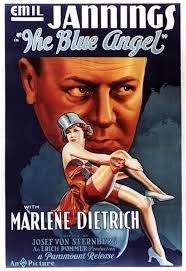
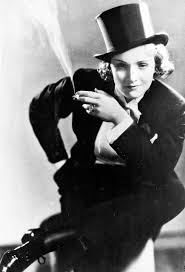
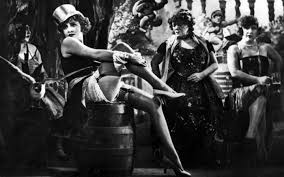 The classic German film The Blue Angel with Marlene Dietrich also gives us a reputedly accurate sense of what Weimar-era cabaret performances looked like.
Notable cabarets included Kit Kat Club, Kabarett der Namenlosen, Schall und Rauch (Sound and Smoke), Wilde Bühne (Wild Stage), Die Elf Scharfrichter (Eleven Executioners), Cabaret Megalomania: Cabaret of Comedians.
Notable performers included Marlene Dietrich, Josephine Baker, and Kurt Weill.
Within a few years of Hitler’s rise to power in 1933, the Nazi’s effectively suppressed all hints of cabaret subculture in Germany.
In occupied Paris, the Théâtre de l’Étoile continued to operate, albeit under Nazi scrutiny. Artists like Yves Montand and Édith Piaf defiantly sang against oppression.
Jazz Alongside Cabaret
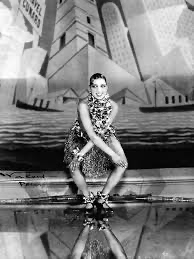
“The city had a jewel-like sparkle; the vast cafés reminded me of ocean liners powered by the rhythms of their orchestras. There was music everywhere.” – Josephine Baker
In the 1920s, jazz in Germany was almost as popular as in America. To many people, it sounded like the modern time they were living in, and in a way, it was a kind of natural counterpart to expressionist visuals. Many African American musicians who had fought in WWI chose to stay in Europe and work there, since the social environment was more favorable to them. But as jazz became more and more popular, many famous jazz players and singers came to Berlin, the hotbed of European jazz.
Later in the decade, Frankfurt, Germany, housed the first school of jazz in the world — in the US, the cradle of jazz, the first jazz school only opened in the mid 1940s. While in America jazz was considered a lesser form of music, in Germany — maybe for its affinity with the expressionist movement — jazz was incorporated by many composers into their own music and many kabarett authors, including Bertold Brecht, used it in their plays.
Still, reactions to jazz from white German audiences ran the gamut from unrestrained enthusiasm to racist caricature and stereotyping. German responses to St. Louis–born dancer, singer, and jazz artist Josephine Baker especially revealed the double-edged nature of jazz’s popularity in Germany for Black artists. While the press and audience debated the significance of her artistry, Baker used her newfound renown and wealth to bold effect.
The Great Depression and the rise of the Nazis put jazz in Weimar Germany under extreme pressure. Not only were gigs all but impossible to come by as the economy ground to a halt, the Nazis increasingly targeted jazz as part of their war against “non-German” culture.
American Cabaret
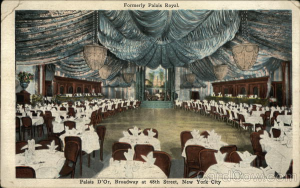
Across the Atlantic, cabaret took root in New York City, but had developed along more glamorous and less intellectually ambitious lines. During the 1910s, several large cafes provided singers and came to be known as “cabarets.” Delmonico’s, Reisenweber’s, Palais Royale, and Shanley’s all became legendary night spots. Within a few years, dance floors became a required part of the cabaret environment. When a 1913 ordinance forced Manhattan’s cabarets to close by 2:00 AM, members-only clubs sprang up and stayed open for dancing till all hours – the first “night clubs.”
America’s first Parisian-style cabaret was Sans-Souci (1915), a 42nd Street establishment owned by the popular dance team of Vernon and Irene Castle. The earliest American cabarets were not exact copies of their European ancestors. Political and social satire were nowhere in sight, but late hours and sophisticated audiences meant all sorts of boundaries could be stretched. New York’s cabaret goers sought an alternative to other popular forms of diversion.
1920’s – Speakeasies: Cabaret Mobster-Style
America’s cabarets were effectively forced out of business when the Volstead Act made the sale of liquor illegal in late 1918. But “the great experiment” of Prohibition did not wipe out America’s taste for alcoholic refreshment, and there was an immediate demand for secretive, intimate places where people could consume booze. This kind of ambiance practically demanded music, so the stage was set for cabaret to conquer America, albeit in an illegal format.
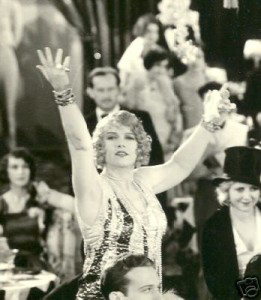
Speakeasies, hidden bars across the U.S., operated under the guise of private clubs, admitting anyone willing to pay. Dancing was a major draw, bringing together different sexes, classes, and races, sparking moral outrage from preachers and journalists. The 1922 blues song “Tain’t Nobody’s Biz-ness If I Do,” with its lyrics “If I go to church on Sunday, then cabaret on Monday, Tain’t nobody’s biz-ness if I do,” captured this rebellious spirit. In response to the jazz-fueled frenzy, New York’s 1926 Cabaret Law restricted live music without a license.
Gangsters controlled many speakeasies, using live entertainment for legitimacy. “Saloon singers,” often women performing sad ballads, boosted drink sales. Women were not just entertainers but a key part of the audience, seeking their share of the era’s wild nightlife.
Speakeasies and “intimate” spots also featured women torch singers and piano players. In the Lawless Decade, the nightlife public was no longer predominantly male. The women wanted their fun too.
Notable figures like Sophie Tucker, Tex Guinan, and Belle Livingston dominated the scene. Tucker, famed for her bold, risqué songs, became one of America’s most celebrated entertainers, paving the way for future cabaret stars like Bette Midler.
The Cotton Club
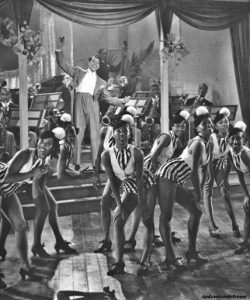
From 1922 – 1940, in the famed Cotton Club, jazz, blues, and dance intermingled, creating a vibrant tapestry of sound. It was both glamorous and problematic. Although it was located in Harlem and featured all-black entertainment, Black patrons were not permitted.
Artists who contributed greatly to the club’s success included Duke Ellington (whose orchestra was the house band from 1927-1931), Cab Callaway, Josephine Baker, Louis Armstrong, Ethel Waters, Lena Horne, Bill (“Bojangles”) Robinson, and the Nicholas Brothers.
At a time when Harlem’s creative fountain was overflowing, the law seemed to target racially mixed jazz clubs. In response, many African American performers packed their bags and moved to Europe, where they soon enjoyed mass followings – and nobody more so than the legendary Josephine Baker.
Following the Harlem riots of 1935, the establishment moved to West 48th Street, but the club never regained its earlier success and was closed in 1940.
1930’s Supper Clubs
Starting just before World War II, smaller venues became popular in American cities, offering intimate entertainment and expensive cocktails. Known as “supper clubs” due to a law requiring food to be served with alcohol, these venues often served only token meals to meet the requirement.
Since many of these supper clubs looked downright seedy, they depended on low lighting, cigarette smoke, and strong performers for ambiance. The tables were small, jamming fifty or more people into a space meant for half that number. A singer was perched on a tiny stage with one or two pianos, a single spotlight and (if lucky) a microphone. The unknown performers were often stars in the making, and the music was mostly jazz and Broadway-style, with some raunchier material reserved for late-night performances. In short, cabarets became the perfect place to impress – or seduce – a date.
As WWII loomed, many Europeans seeking refuge in the U.S. found comfort in these clubs. In the years leading up to the war, cabarets became trendy, especially in New York. Gershwin, Porter, and other world-traveling American musicians had been encouraging a few of Europe’s impresarios to open clubs in NYC. Now, some of those impresarios called NYC home.
The war brought international influences, particularly Latin American, to many larger clubs, with extravagant decor and elaborate floor shows designed to entertain and provide an escape from wartime stress.
After Prohibition ended in 1933, Americans were eager to celebrate. Despite the Great Depression, large nightclubs became the order of the day. Candlelight, tuxedoed servers, and a formal dress code added to the sense of glamour. These elegant showplaces held hundreds of high-paying customers at a time, and were more like Las Vegas showrooms than classic cabarets. However, the material and performance style were very much in the cabaret tradition – torch songs, innovative comedy, etc.
Café Society
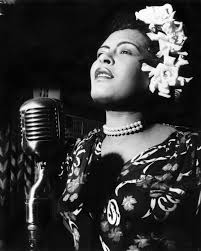
Greenwich Village became a hub for struggling artists, and both small dives and larger venues emerged. One such club was Café Society, founded by Barney Josephson, a shoe salesman from Trenton, NJ. On a trip to Europe, he became enamored of the cabarets in Berlin and Prague and returned home intent on opening his own. While it attracted the swells, it also welcomed unknown artists, struggling musicians, budding writers, out-of-work actors and Communists. Billing itself as “the wrong place for the right people” and “the rendezvous of celebs, debs and plebs,” it was one of the first nightclubs in which blacks and whites mixed freely — at a time when even Harlem’s Cotton Club seated blacks at the back of the house.
Hammond lined up an unknown singer named Billie Holiday to open the club. She sang there almost every night for the next nine months, debuting the song “Strange Fruit.”
Lena Horne, Sarah Vaughan, and Harry Belafonte sang there too. Jack Gilford, the club’s house comic, introduced his friend Zero Mostel, soon to become Café Society’s leading attraction. Imogene Coca and Carol Channing performed there as well.
The Club was so popular that Josephson opened a second branch uptown. He had plans for a third but was undone by politics. In 1947, the House Un-American Activities Committee subpoenaed his brother Leon about his ties to the Communist Party. Leon refused to testify, provoking the ire of the powerful red-baiting columnists. They savaged Josephson, implying that anybody who frequented his clubs was probably a Commie and a traitor, calling the club “Club Pink.”
The Red Scare was in full swing, and Josephson became one of its first victims. Business reportedly plunged by nearly half.
Josephson toughed it out for another year, but then closed both branches. He spent the rest of his life running a quiet restaurant in the Village called The Cookery. No politics there – just omelets and burgers.

“The peak cabaret experience is a three-way relationship among singer, song and audience in which performers with formidable acting skills, whose interpretations make you hear songs as though for the first time, pour their life experiences in thematic shows. In the shouting, brawling world of mainstream pop, the essential qualities of a cabaret performance — intimacy, emotional vulnerability and interpretive subtlety have little place.”
— NEW YORK TIMES

Why Cabaret?
The cultural audience needs more than the big-budget, spectacular, one-way entertainment experiences of the modern day. We’ve not forgotten the yearning for connection and meaning through performance and art. A cabaret performer bridges theatre and individual vocal performance; interpreting their material and inviting the audience into an intentional experience.
Cabaret venues thrive in major metropolitan cities, such as New York City, San Francisco. The Midwest was lacking a major cabaret presence. A successful cabaret venue contributes to Indianapolis achieving its vision of being a world-class city, and fills what was once an unmet niche in the local performing arts community.


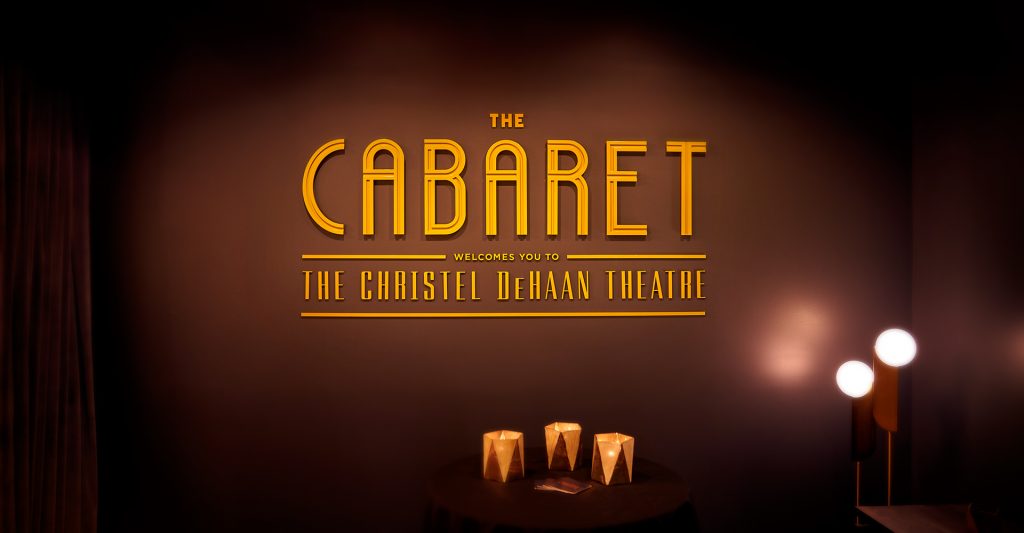
Our History

Today
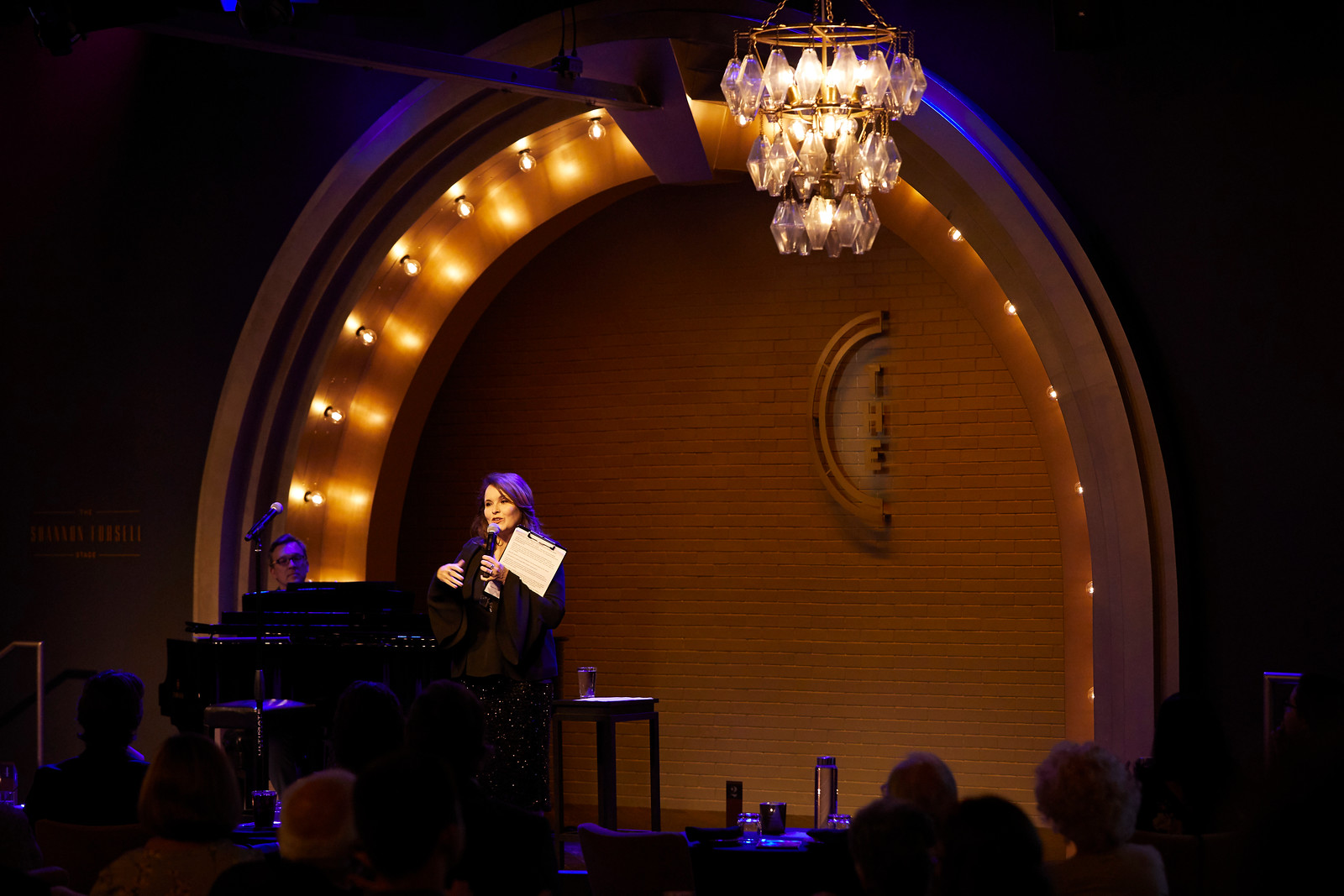
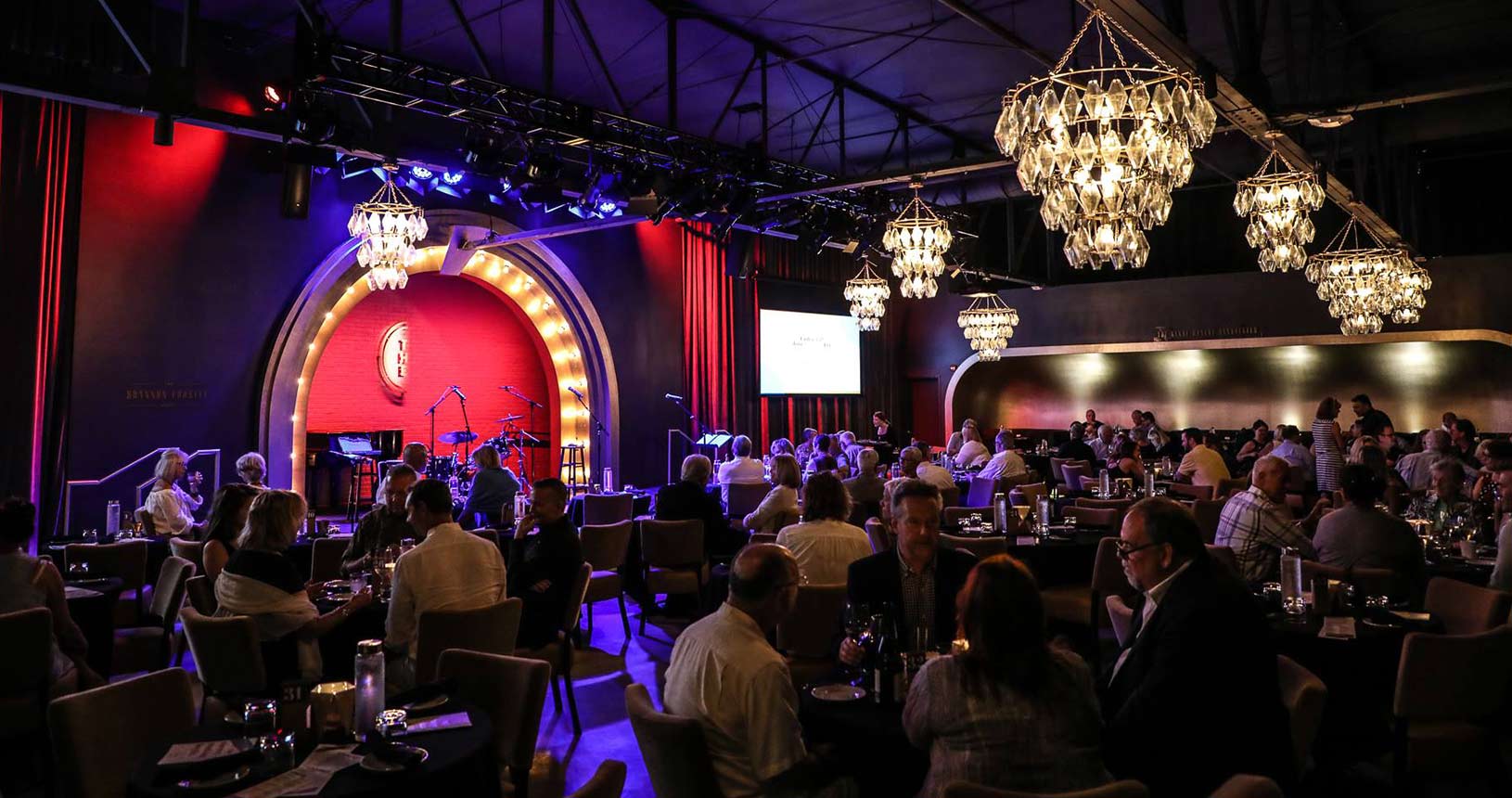
The Cabaret provides a unique niche in the arts community, as it is the only Indianapolis arts organization dedicated to the art of cabaret performance. A successful cabaret venue helps to raise the arts profile in Indianapolis to the level of other world- class cities. Providing both artistic and educational programs for the Indianapolis community, The Cabaret’s programs result in an average of 40+ performances, with 9,000+ patrons, and hundreds of youth and aspiring artists served annually.
Meow Meow
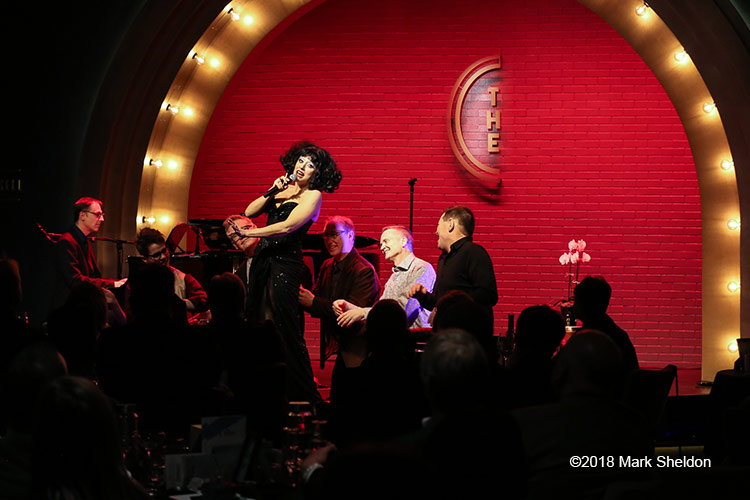
International Cabaret Diva, Meow Meow, christens the stage in the brand new Christel DeHaan Theatre at The Cabaret.
Metzger Building
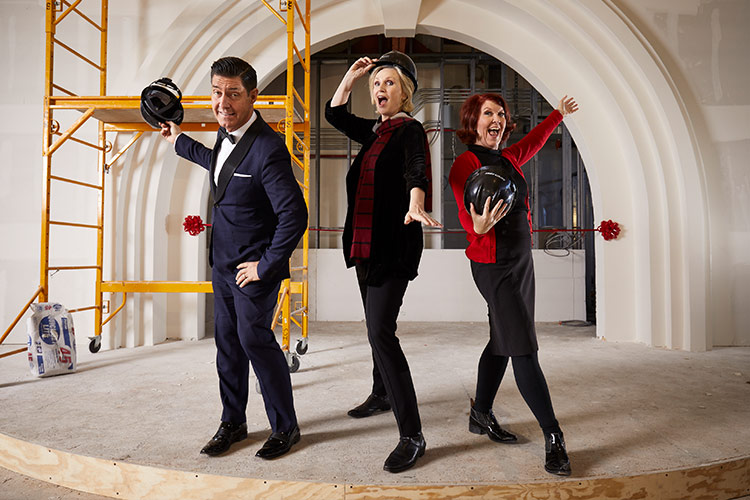
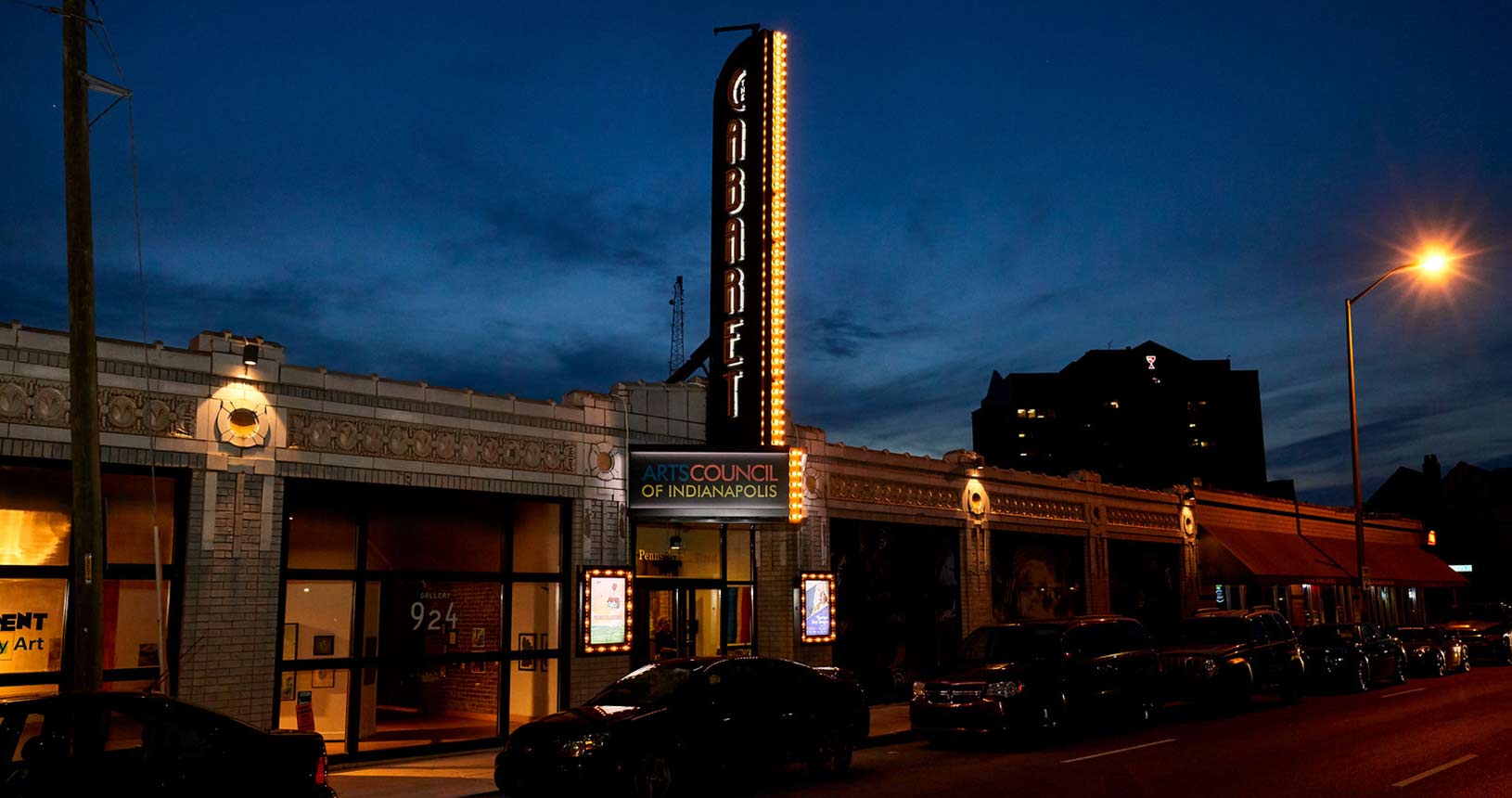
New venue in the historic Metzger Building on 9th and Pennsylvania is announced, work begins to remodel the former roller-skating rink.
Indiana Landmarks Center
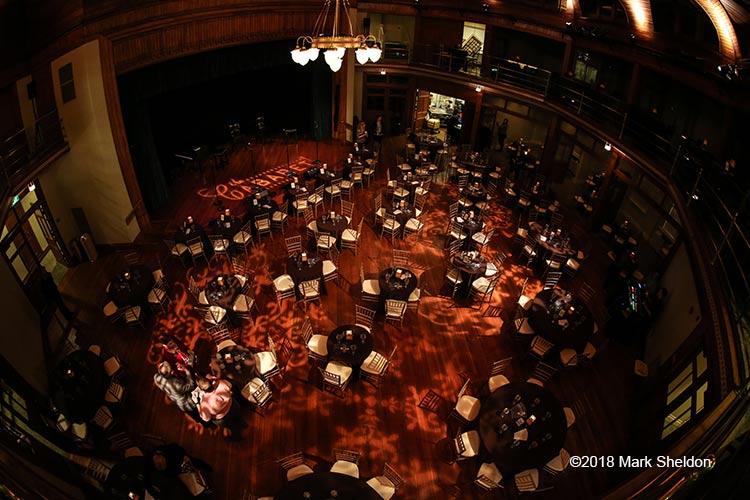
The Cabaret begins an interim year at Indiana Landmarks Center while the new venue is being developed.
Support
Your generosity makes it possible to present shows with top national and international talent and train up-and-coming performers in the art of cabaret. LEARN MORE